
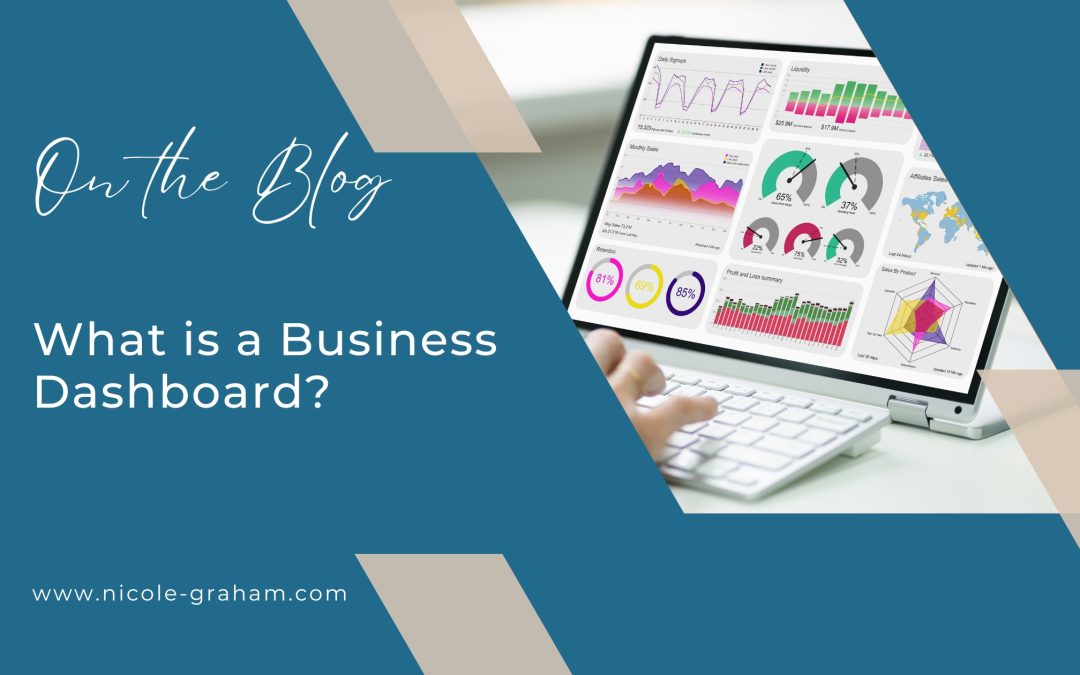
What is a Business Dashboard?
(And Why Every Business Should Have One)
In a world full of data, knowing what to track and how to understand it is what separates thriving businesses from those just getting by. That’s where business dashboards come in – a powerful tool that helps turn raw numbers into real insight.
So, what exactly is a business dashboard?
A Simple Definition
A business dashboard is a visual tool that displays key performance indicators (KPIs), metrics, and data points in an easy-to-read format. Think of it as your business’s command center. Instead of sorting through spreadsheets or reports, dashboards pull the most important data into one central location—so you can see what’s happening in your business at a glance.
Whether you’re a CEO, manager, or part of a small team, a dashboard gives you real-time visibility into how things are going, what’s working, and where to focus your attention.
Why Dashboards Matter
Running a business involves juggling a lot—marketing performance, sales goals, customer service, finances, and more. Without a way to monitor these areas quickly and clearly, decision-making becomes reactive rather than strategic.
A well-designed dashboard changes that. It transforms your data into actionable insights, so you can make smart, confident decisions without the guesswork.
Here are some key features of effective dashboards:
- Data Visualization: Information is presented through graphs, charts, and visuals that are easy to understand—no complex spreadsheets required.
- Real-time or Near Real-time Data: You don’t have to wait for end-of-month reports. Dashboards often update in real time or at regular intervals, so you’re always working with current data.
- Customization: Dashboards are built to reflect your business priorities. Whether you need a high-level overview or granular detail, they can be tailored to different roles and goals.
The Three Main Types of Business Dashboards
Not all dashboards are created equal. Depending on your goals, there are different types that serve different purposes:
1. Operational Dashboards
These focus on daily operations and real-time monitoring. If something goes off track, you’ll know immediately.
Example: A customer service team might use an operational dashboard to track:
- Number of tickets opened, resolved, and pending
- Average response time
- Customer satisfaction scores
This type of dashboard helps teams stay on top of their tasks and quickly respond to issues.
2. Strategic Dashboards
Strategic dashboards provide a big-picture view. They focus on long-term goals and performance across departments.
Example: A CEO might use a strategic dashboard to view:
- Quarterly revenue
- Year-over-year growth
- Market expansion metrics
- Company-wide KPIs
These dashboards are perfect for board meetings, annual planning, and high-level decision-making.
3. Analytical Dashboards
Analytical dashboards dig deeper. They help identify patterns, trends, and insights that drive long-term improvements.
Example: A marketing manager might analyze:
- Website traffic over time
- Conversion rates across campaigns
- Cost per lead by channel
This type of dashboard supports deeper analysis and data-driven strategy development.
What Can You Track on a Dashboard?
The beauty of business dashboards lies in their flexibility. You can build them around what matters most to your business. Here are some common KPIs and metrics used across different functions:
Sales & Revenue
- Total sales
- Sales by product/service
- Monthly recurring revenue (MRR)
- Conversion rate
Marketing
- Website traffic
- Social media engagement
- Email open/click-through rates
- Lead generation performance
Operations
- Project timelines
- Task completion rates
- Inventory levels
- Employee productivity
Customer Experience
- Net Promoter Score (NPS)
- Customer retention rate
- Ticket resolution time
- Average rating from surveys or reviews
Each department or team can have its own dashboard—or you can combine multiple areas into a single, streamlined view for leadership.
Real-Life Examples of Dashboards
Here are a few real-world scenarios where dashboards bring clarity and impact:
- A retail business tracks inventory levels, sales performance by store, and returns—all in one dashboard—so they can restock in real time and improve product availability.
- A digital marketing agency monitors campaign results for multiple clients, including ad performance, click-through rates, and ROI—helping them make informed recommendations fast.
- A coaching business uses a dashboard to track client progress, session frequency, and retention rates, ensuring a consistent client experience and identifying opportunities for upsells.
- Whatever your industry, dashboards can be adapted to suit your business model and workflow.
The Benefits of Using a Business Dashboard
Still wondering if a dashboard is worth the time and investment? Here’s what it can do for you:
- Improved Decision-Making: With a dashboard, you’re not making choices based on gut instinct. You’re using real, up-to-date data to guide your strategy.
- Enhanced Monitoring: Spot red flags before they become big problems. Dashboards help you keep an eye on performance in real time.
- Greater Efficiency: By highlighting bottlenecks or low-performing areas, dashboards give you a clear path to improve operations and boost productivity.
- Better Communication: Dashboards give everyone a common understanding of what success looks like. Whether you’re meeting with your team or reporting to stakeholders, it’s easier to share and discuss performance with visual data.
Final Thoughts
A business dashboard is more than just a pretty screen with numbers—it’s a decision-making tool that brings clarity, focus, and alignment to your team.
Whether you’re managing a team of five or fifty, dashboards can help you track what matters most, stay agile, and keep moving toward your goals with confidence.
If you’re not already using dashboards in your business, now’s the time to start. The data is already there. A dashboard simply gives it purpose.
Would you like help designing a dashboard that actually works for your business? Let’s connect- I’d love to help you bring your numbers to life.